

Whether it’s a business lunch, a wedding reception, or dinner with friends, the way you conduct yourself at the table speaks volumes about your respect for others—and for yourself. In a fast-paced, informal world, proper dining manners have become a rare but valuable skill. Learning dining etiquette ensures you can navigate any meal with confidence, leaving a lasting positive impression in both personal and professional settings.
Today, dining etiquette is about more than knowing which fork to use—it’s about fostering connection, showing cultural awareness, and creating comfortable, enjoyable experiences for everyone at the table.
The Role of Etiquette in Building Relationships
Sharing a meal is one of the oldest ways humans connect. Whether it’s with colleagues, clients, family, or friends, the table becomes a stage for conversation, collaboration, and relationship-building. Good dining manners help put others at ease, remove distractions, and allow the focus to stay on the people and the conversation.
Common Dining Mistakes to Avoid
Even in casual settings, certain behaviors can create awkwardness or send the wrong message. Common slip-ups include:
-
Talking with your mouth full
-
Using your phone at the table
-
Interrupting the flow of service
-
Reaching across someone’s plate
-
Forgetting to thank the host or server
Avoiding these habits shows attentiveness and respect for those around you.
Key Elements of Modern Dining Etiquette
Dining etiquette varies slightly depending on culture and setting, but some universal principles include:
-
Place Setting Knowledge – Understanding the arrangement of utensils, plates, and glasses.
-
Pacing – Eating at a similar pace as others to maintain harmony.
-
Conversation Skills – Keeping topics light and inclusive at the table.
-
Handling Difficult Situations – Politely addressing incorrect orders, dietary needs, or cultural differences.
The Professional Advantage
In the business world, meals often serve as informal interviews, negotiations, or networking opportunities. Poor etiquette can overshadow your skills, while polished table manners can enhance your professional image. Clients, employers, and colleagues notice when someone demonstrates composure and consideration at the table.
Teaching the Next Generation
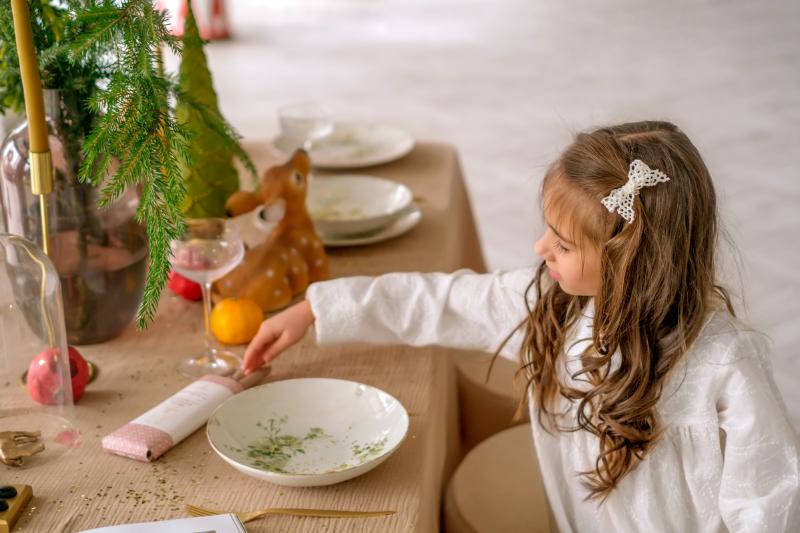
For parents, educators, and caregivers, teaching children proper dining manners is an investment in their future. Early exposure helps kids develop confidence in social situations, understand the importance of respect, and feel comfortable in a variety of dining environments.
Beyond the Table
The principles of dining etiquette—respect, patience, attentiveness—extend into everyday life. By practicing them regularly, you cultivate habits that improve communication, strengthen relationships, and leave a positive impression wherever you go.
Final Thoughts
In a world where speed and convenience often overshadow tradition, dining etiquette remains a timeless skill that bridges personal connection and cultural understanding. Whether you’re at a formal gala or a casual lunch, these small but powerful gestures speak volumes about your character.
Learning and practicing dining etiquette ensures you’re prepared for any table—and any opportunity—that comes your way.
