

Your home is your sanctuary, and it should be a place where you feel safe and healthy. Creating a health-conscious home environment is not only good for your well-being but can also improve your quality of life. With a few simple changes, you can transform your home into a space that promotes health and wellness.
When it comes to creating a health-conscious home environment, there are several factors to consider. One of the most important is indoor air quality. Poor indoor air quality can lead to a range of health problems, from allergies and asthma to headaches and fatigue. To improve your indoor air quality, consider investing in an air purifier or adding some indoor plants that can help filter the air.
Another important factor to consider is the use of natural materials. Many building materials, furniture, and household products contain harmful chemicals that can be detrimental to your health. Opting for natural materials like wood, bamboo, and organic cotton can help reduce your exposure to these toxins and create a healthier home environment. Additionally, using non-toxic cleaning products and avoiding synthetic fragrances can help improve indoor air quality and reduce your exposure to harmful chemicals.
Designing for Health and Wellness
When it comes to designing a health-conscious home environment, there are several key elements to consider. By incorporating natural elements, optimizing lighting and color, maximizing air and water quality, and selecting sustainable materials, you can create a space that promotes wellness and supports a healthy lifestyle.
Incorporating Natural Elements
One way to enhance the health-conscious design of your home is to incorporate natural elements. Biophilic design, which incorporates natural materials and elements, has been shown to reduce stress and improve cognitive function. Consider using natural materials such as wood, stone, and plants to create a sense of connection to the outdoors.
Optimizing Lighting and Color
Lighting and color can have a significant impact on your health and well-being. Natural light has been shown to improve mood and regulate sleep patterns. When designing your home, consider maximizing natural light by using large windows or skylights. Additionally, color can affect mood and emotions. Consider using calming colors such as blue and green in bedrooms and bathrooms, and energizing colors such as yellow and orange in living spaces.
Maximizing Air and Water Quality
Indoor air quality can have a significant impact on your health. To improve air quality, consider using a high-quality air filtration system and avoiding harsh chemicals in cleaning products. Additionally, water quality is important for both drinking and bathing. Consider installing a water filtration system to remove impurities and toxins.
Selecting Sustainable Materials
Sustainability is an important consideration when designing a health-conscious home environment. Eco-friendly materials such as bamboo, cork, and recycled glass can be used to reduce environmental impact and promote a healthy living space. When selecting materials, look for products that are certified as sustainable or have a low environmental impact.
By incorporating natural elements, optimizing lighting and color, maximizing air and water quality, and selecting sustainable materials, you can create a health-conscious home environment that supports your well-being and promotes a healthy lifestyle.
Creating Functional Spaces
When designing a health-conscious home environment, it’s important to consider functionality. This means creating spaces that not only look good, but also serve a purpose and make your life easier. Here are some design strategies to help you create functional spaces in your home.
Strategic Kitchen and Bathroom Design
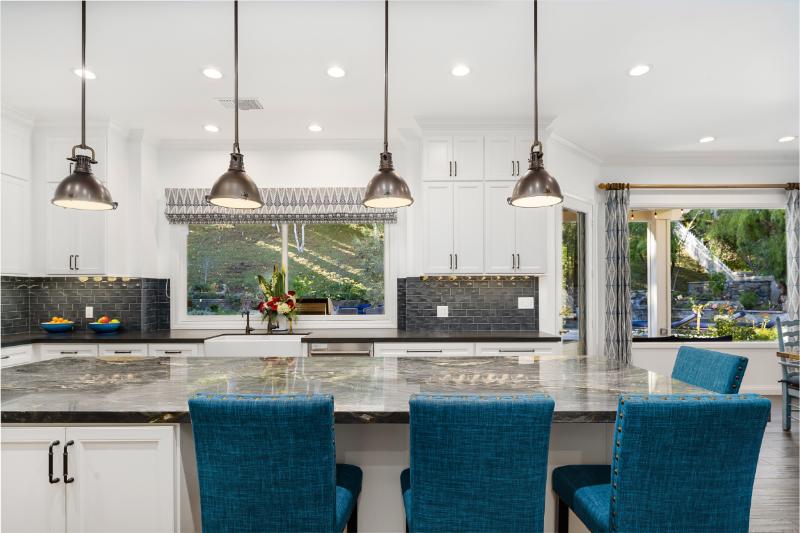
The kitchen and bathroom are two of the most important areas of your home when it comes to functionality. In a kitchen design and remodel, consider incorporating storage solutions such as pull-out drawers and cabinets to maximize space and keep your countertops clutter-free. In the bathroom, think about installing a walk-in shower with grab bars for accessibility and safety.
Integrating Technology for Well-Being
Technology can play a big role in creating a health-conscious home environment. Smart home systems can help you monitor and control your home’s temperature, lighting, and air quality, while also allowing you to automate tasks such as turning off lights when you leave a room. Consider investing in a smart thermostat, air purifier, or lighting system to improve your home’s overall wellness.
Balancing Aesthetics and Accessibility
Designing for accessibility doesn’t mean sacrificing style. When choosing materials and finishes for your home, look for options that are both functional and visually appealing. For example, you can install slip-resistant flooring in the bathroom that also complements your overall design aesthetic. When selecting furniture, consider pieces that are both comfortable and easy to maneuver around for those with mobility issues.
Creating functional spaces in your home doesn’t have to be complicated. By incorporating these design strategies and considering your specific needs and preferences, you can create a health-conscious home environment that works for you.
